Nonprofit organization championing textile reuse to fund sustainable change
We are a nonprofit organization collecting used clothes
to protect the environment and strengthen communities.
Planet Aid’s mission is to create global
environmental and social progress.
When you donate used clothes and shoes in our yellow bins and solar-powered donation centers, you're not just cleaning out your closet; you're also reducing landfill waste, preserving precious resources like water, reducing pollution and pesticides and helping raise funds for community-led programs that promote education, health and wellness, agricultural sustainability and community development.
Donate or partner with us today. Together, our small steps can have a big impact.

of textiles collected
and reused

raised to fund
community led projects

collecting used
textiles for reuse
Your used clothing donations add up and help Planet Aid drive significant positive change.
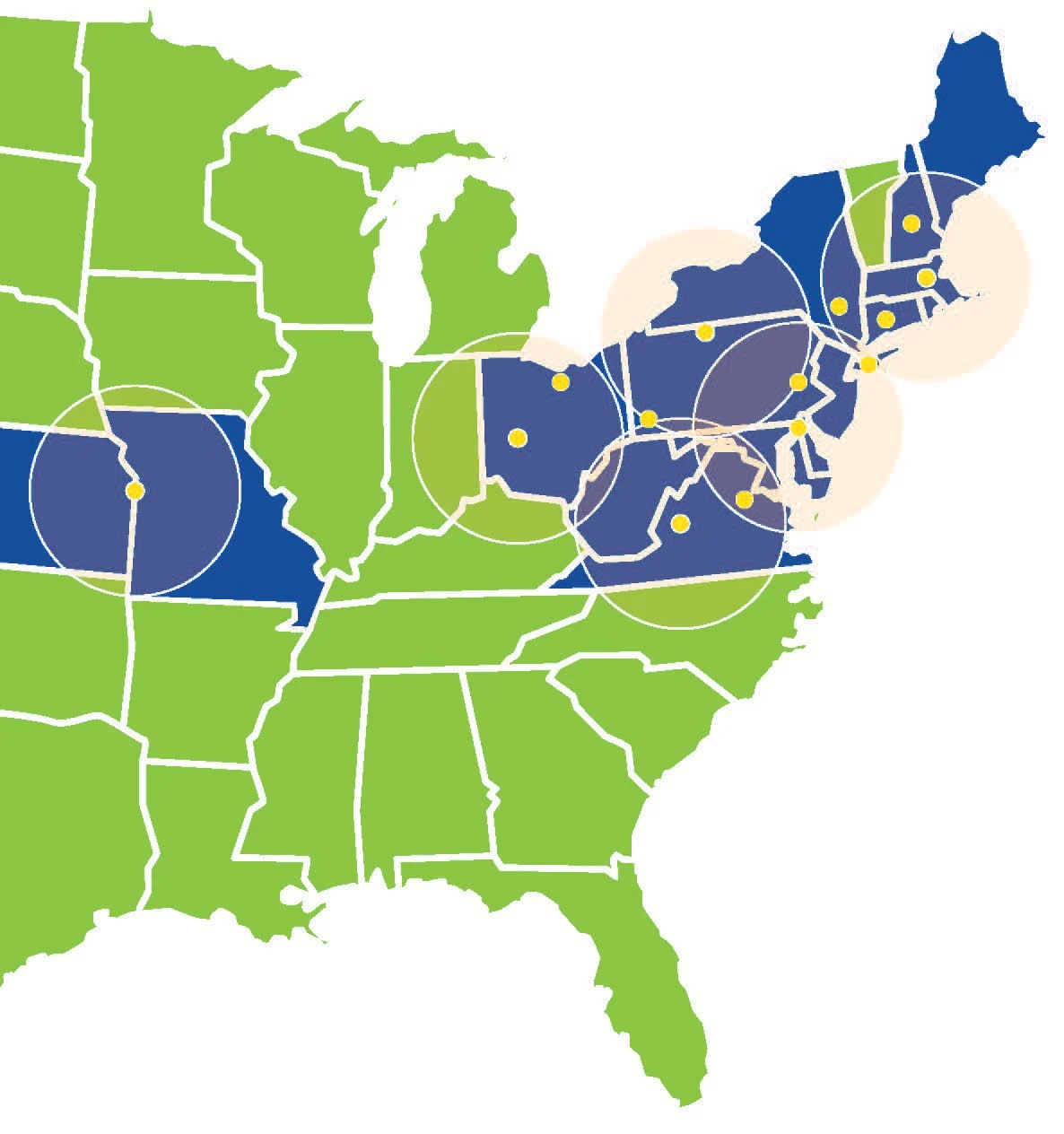
Find a donation bin near you. Planet Aid has 10,000+ bins in the Northeast, Mid Atlantic and Midwest.
Planet Aid makes it easy to make a tax deductible donation with 10,000+ locations in 17 states and Washington, D.C. Find a used clothing and shoe donation bin near you and drop off the following clean items:
- Clothing
- Shoes
- Bedding, towels, and curtains
- Sleeping bags
- Socks, underwear and bras
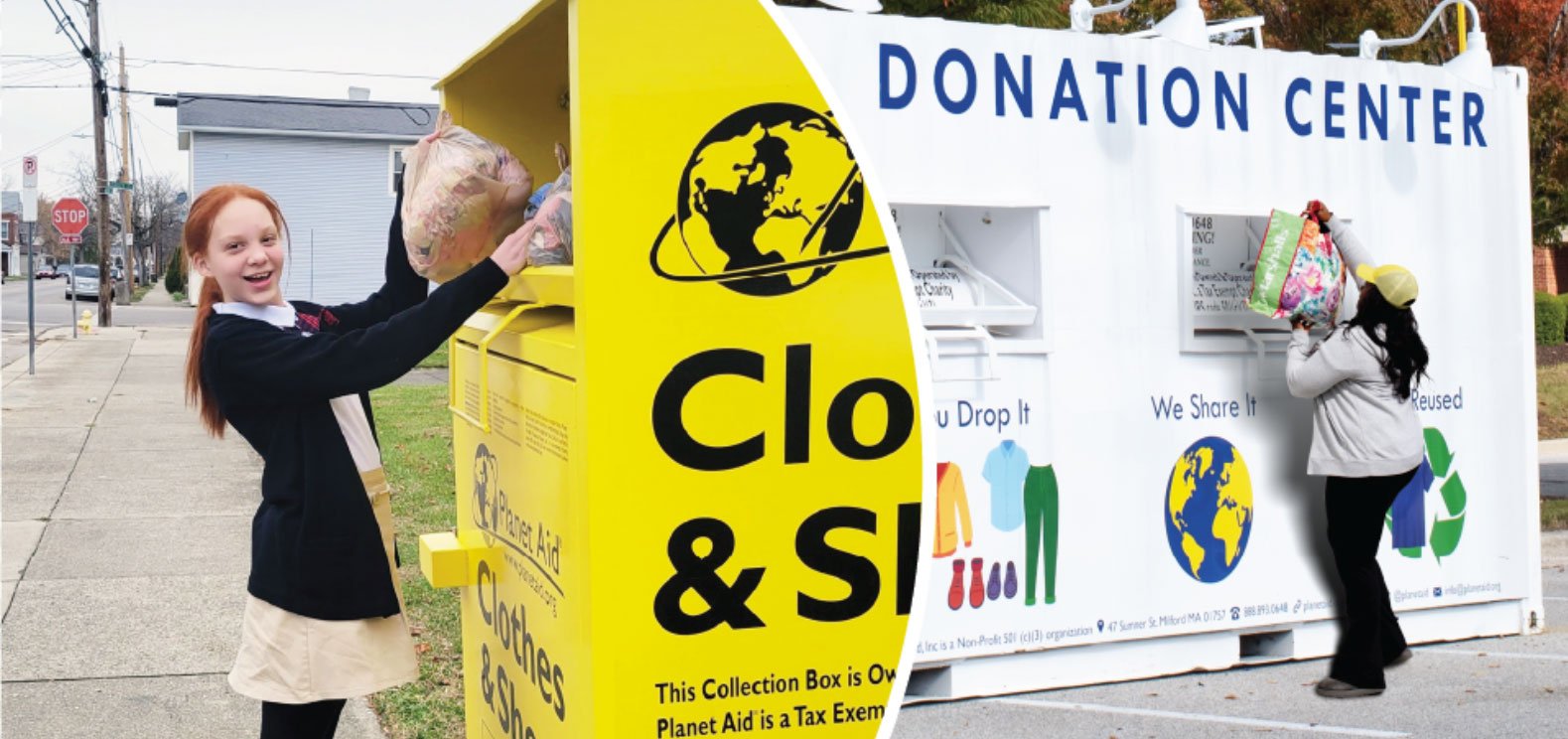
Partner with us to host a bin. There are no costs, risks or obligations. We do all the work!